


The papilloma virus has spread.Experts have been able to discover hundreds of its species, each causing unique symptoms.It is quite easy to become infected with it - just contact a carrier.To protect yourself against an infectious agent, you need to understand how HPV is transmitted.
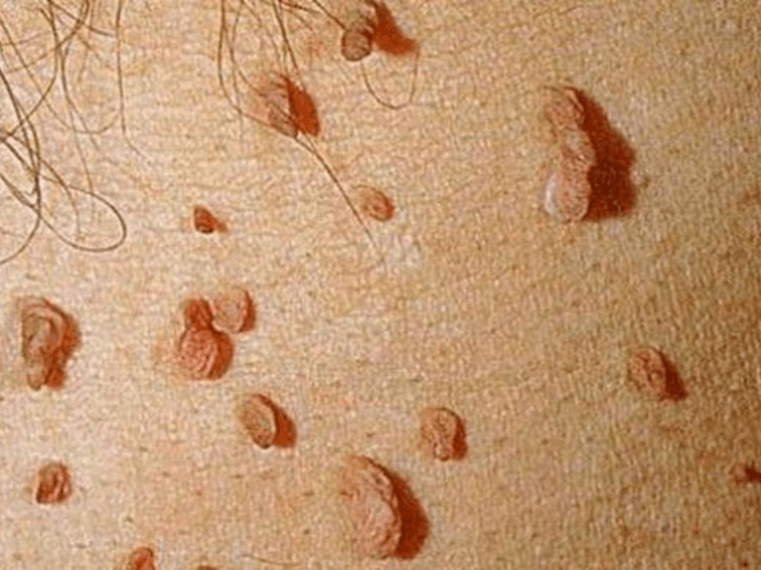
Main features
The human papillomavirus includes a group of microorganisms with 100 subspecies, 13 of which can cause tumors.These varieties are called oncogenes.HPV is transmitted primarily through sexual contact.Types 16 and 18 are particularly dangerous, as they cause cancer in 70% of cases.Degeneration into atypical cells is observed in the external genitalia, as well as on the cervix.In some states, a vaccine against oncogenic strains has been approved and is actively used.
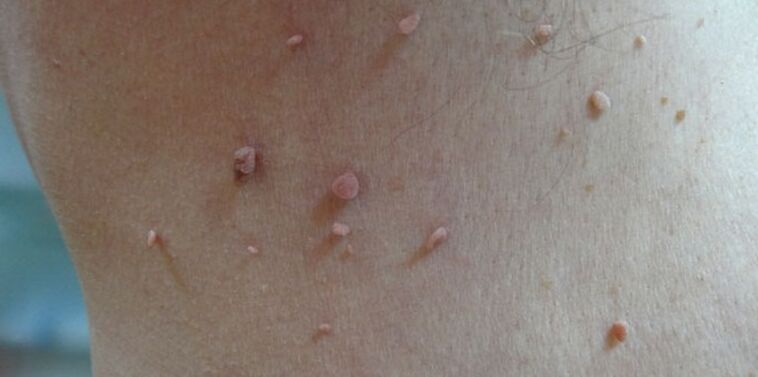
After the onset of sexual activity, infection is equally common in men and women.There are types of HPV that do not cause problems.Sometimes the infection goes away on its own, without any outside intervention.It may take up to several months, but some types of illnesses caused by HPV may take several years to clear up.
HPV viruses types 6 and 11 cause the formation of genital warts.They are quite contagious.HPV has its own DNA, which has a helical shape.Such a microorganism does not have a shell.The virion reaches 55 nanometers in diameter and can be present for a long time on various surfaces, as well as in air and water.Some varieties are oncogenic, that is, they can cause the cellular epithelium to degenerate into an atypical epithelium.HPV types are designated by special numbers. Low oncogenicities are:
- 42;
- 43;
- 44.
Types 16 and 18 are considered dangerous.We also often find strain 33, which can cause cancer in women.Accumulation of the infectious agent occurs in the cells of the mucous membranes.
Here, replication of the microorganism is observed, after which persistence occurs in different layers of the epithelium.From this moment, the process of transition of cells to atypical cells begins.
Transmission routes
Not so long ago, scientists managed to find out exactly how the human papilloma virus is transmitted to women and men.It only penetrates the epithelium after direct contact with the skin or mucous membranes.Typically, this phenomenon is observed in the presence of microtrauma.This requires contact with an infected person.There is also a domestic route of infection, which today raises many questions.

The human papillomavirus has several routes of transmission.Sometimes infection can occur in public places, for example, in swimming pools and public baths.It is possible for the infection to penetrate the mucous membranes when the skin is damaged during shaving, cutting nails, etc.Newborns become infected as they pass through the mother's birth canal.Healthcare professionals who perform surgeries on patients with HPV are at risk.Urological and gynecological examinations are dangerous, but they can be avoided by using disposable gloves and medical instruments.
People working with raw fish and meat can also become infected.There is even a special concept: “butcher’s warts”.And if earlier it was believed that the causative agent of the disease was transmitted exclusively through sexual contact, after the introduction of the polymerase chain reaction method it became clear that there are many other ways of infection.
It is possible to determine whether papillomas are contagious only after making a correct diagnosis.After entering the human body, the virus passes through the bloodstream and attaches to the epithelium of the genitals, at the anus.Then it penetrates the epithelium and its DNA, forcing the cells to function differently.The damaged epidermis grows and divides. The incubation period of HPV does not exceed 3 months, but in certain circumstances this period can be shortened or extended to several years.
HPV can remain latent in the body for a long time, sometimes even from birth.The virus can spread quite easily from person to person.You can sometimes be infected with a pathogenic microorganism through the saliva of a sick person (especially through a kiss).Its prevalence today is great.Individuals are carriers and are capable of infecting others.External manifestations of pathology are detected in 1/3 of women of childbearing age during routine examinations.The presence of such a virus in the body is more expected by specialists than its absence.
PVI and its features
Human papillomavirus infection is a disease caused by an infectious agent present on the skin and mucous membranes.This is called HPV.Having entered the body, after a while the cells develop in the form of warts, condylomas and papillomas.Half of sexually active people have been exposed to this virus.The infection may take a year or more to appear and sometimes may not cause any symptoms.In most cases, the disease progresses recurrently, sometimes self-healing is possible.
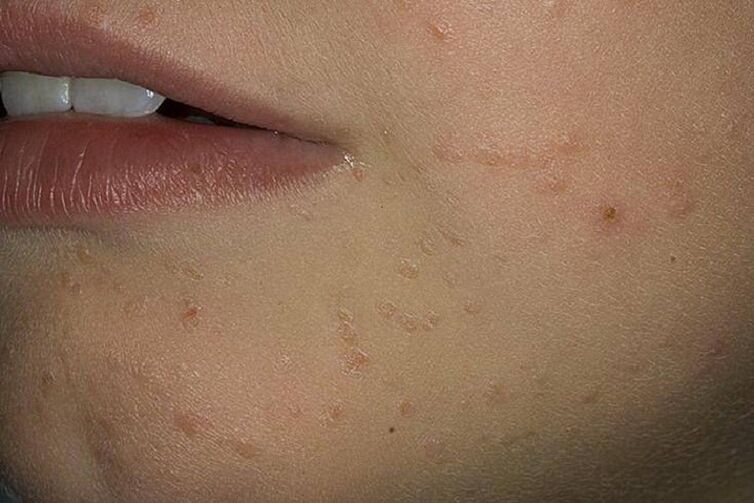
Among the known urogenital viral infections, PVI is the most common.Its clinical manifestations are varied.Of the 100 species known today, 30 lead to the formation of growths on the anogenital area.Certain types of HPV can lead to malignant tumors of the cervix and external genitalia in women and men.Carriage can occur when no symptoms appear.These shapes are discovered by chance during an examination.
The papilloma virus manifests itself anywhere.This can include the skin under the mammary glands, neck and armpits.It is active on the mucous membranes.Condyloma on the genitals contributes to discomfort and disruption of aesthetics.Such growths can cause hemorrhaging.
The same prevalence is observed in both sexes.The papilloma virus appears more often in people with weakened immune systems.Those who abuse alcohol and tobacco and practice promiscuity are at greatest risk of infection.
The microorganism is also activated in young people if unfavorable situations arise. An example would be the long-term use of certain medications., gastrointestinal diseases, respiratory viral infections.People who often go to the beach should also be careful, as the humidity is high there.In addition, the skin is almost not covered by clothing.
Infection can occur not only from casual acquaintances, but also from people with whom a healthy person lives.
Characteristic symptoms
Most known types of HPV do not cause painful symptoms.But if this types 16 or 18, precancerous pathologies are possible.Such conditions cannot be ignored.The revival process can take years, so an infected person always has the opportunity to seek help in a timely manner.By the way, calluses on the feet are also formed with the participation of the papilloma virus.
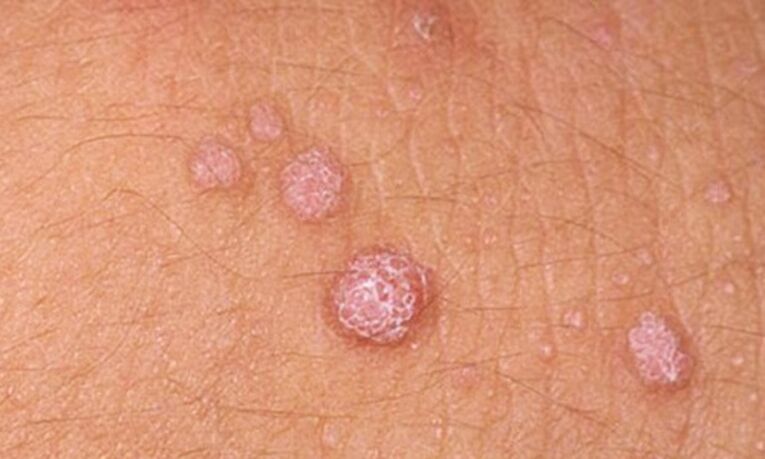
Throughout life, a person's health changes.Although the immune system is relatively strong, only ordinary warts or harmless juvenile neoplasms are likely to occur.With more serious problems with the body's defense, papillomas appear on a thin stalk.They are located on the eyelids, under the arms and on the neck.For prevention purposes, experts recommend removing these tumors.
Genital warts are caused by HPV strains 6 and 11. These viruses are transmitted through sexual contact.In men, the damaged areas are the coronal sulcus of the head of the penis and the foreskin. For women, it is:
- lips;
- area near the vagina;
- anus.
If these growths are not treated for a long time, the pathology progresses.Women may experience bleeding on the vaginal lining after sex.You may also experience discomfort, discharge with an unpleasant odor, and pain in your pelvis, legs, or back.Symptoms increase as the infectious agent spreads.
Around 80% of women face viral infections.If we talk about HPV, then its entry into the body is facilitated by the early onset of intimate life, sexual intercourse without a condom.The number of diseases caused by HPV has increased significantly in recent years.The occurrence of cervical cancer in sexually active young girls is explained by an imperfect functioning of the immune system.During this period, the hormonal status does not have time to fully establish itself.
Treatment methods
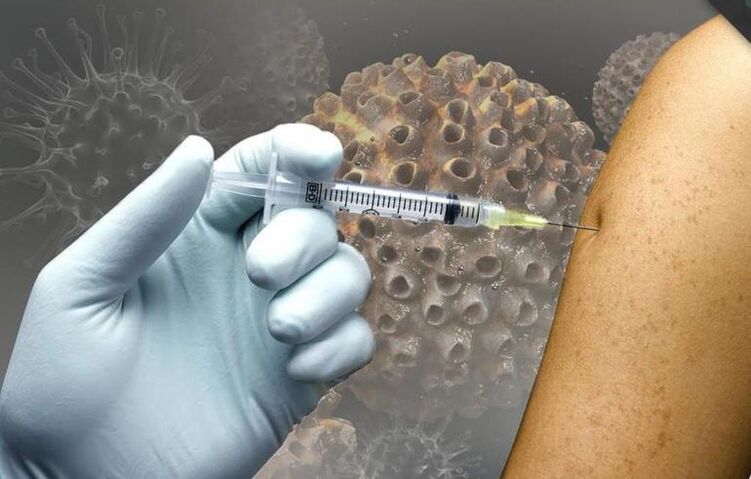
In women aged 20 to 30, human papillomavirus infection may go away on its own within a year.This does not even require special treatment, since the immune system performs the function of eliminating microorganisms.But correctly chosen treatment tactics remain preferable, regardless of gender and age.This is a 90% positive result.
Each doctor has his own opinion on treatment tactics.But there are fundamentals on which all specialists rely.
Therapy must be comprehensive.Destructive methods typical of surgical intervention are not always justified.Doctors usually recommend restorative, antiviral and immunomodulatory agents.Both partners are advised to undergo such treatment.Additionally, to get rid of HPV effectively, you need to use condoms.